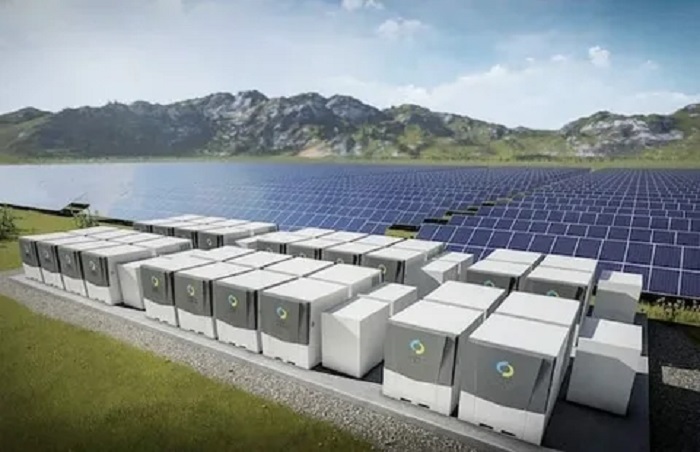
A battery can do a lot, but it cannot create energy from nothing. On a remote site with several cloudy days, high loads, or no grid connection, storage may need a partner. That partner is often a generator.
Why Hybrid Systems Exist
A hybrid energy system combines two or more power sources. In many off-grid or resilience projects, that means solar panels, battery storage, and a diesel generator.


The battery handles fast changes and short-duration needs. Solar supplies renewable energy when available. The generator covers long low-sun periods or heavy loads that exceed the battery plan.
According to NREL’s resilience work, storage can be modeled alongside generation sources to sustain critical loads during outages.
Batteries Reduce Generator Runtime
In a traditional generator-only setup, the generator may run inefficiently just to serve small loads. With storage, the generator can run at better operating points, charge the battery, then shut off while the battery serves the site.
That can reduce fuel use, noise, maintenance, and operating hours. It can also make solar more useful because the battery absorbs excess production during good sun.
Where Hybrid Storage Makes Sense
Hybrid systems are common in:
- Remote farms
- Island facilities
- Construction sites
- Telecom locations
- Rural businesses
- Resorts
- Microgrids
- Critical backup sites
A microgrid is a local energy network that can operate independently from the main grid. In a microgrid, the battery is not just backup. It helps stabilize and coordinate the whole system.
ESYsunhome’s ES130-261 is listed as a 130 kW / 261 kWh PV-storage-diesel hybrid system, which fits the category of projects where solar, storage, and generator power must work together.
The Generator Should Not Be an Afterthought
A poor hybrid design can waste fuel and wear out equipment. The generator size, battery capacity, inverter rating, solar array, and controls all need to match the load profile.
If the generator is too large, it may run inefficiently. If it is too small, it may fail to support peak loads or recharge the battery quickly enough. If the controls are weak, the system may start the generator too often.
Controls Make the System Hybrid
The energy management system decides when to use solar, battery, or generator power. It also protects battery state of charge and prioritizes critical loads.
For commercial sites, cloud monitoring can help operators see fuel savings, runtime, battery cycling, and system faults.
Design for the Worst Week
Off-grid and hybrid planning should not be based on an average sunny day. It should consider the worst weather period, peak operating schedule, fuel delivery risk, and maintenance access.
A battery-only system may be enough for short outages or light loads. A hybrid system becomes more attractive when uptime matters and the grid cannot be trusted.
Good hybrid design is not about adding a generator as a backup of last resort. It is about coordinating every source so the site has power when it actually needs it.