Companies whose employees work outside the office face the need to coordinate schedules, distribute requests, and monitor task completion.
With a large volume of orders, manual planning becomes a labor-intensive process: scheduling conflicts, delays in field visits, and difficulties in reporting arise. Specialized field service management software, such as Planado, helps solve these problems.


Planado is field service business software designed to organize the work of mobile workers and field teams. The platform integrates:
- scheduling tools;
- task distribution;
- execution monitoring;
- report generation.
It is suitable for companies that need to coordinate the actions of dispatchers, managers, and technicians working at different sites.
Planado’s Key Features
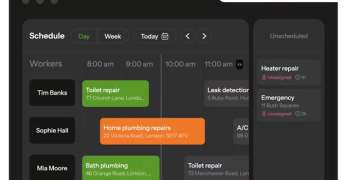
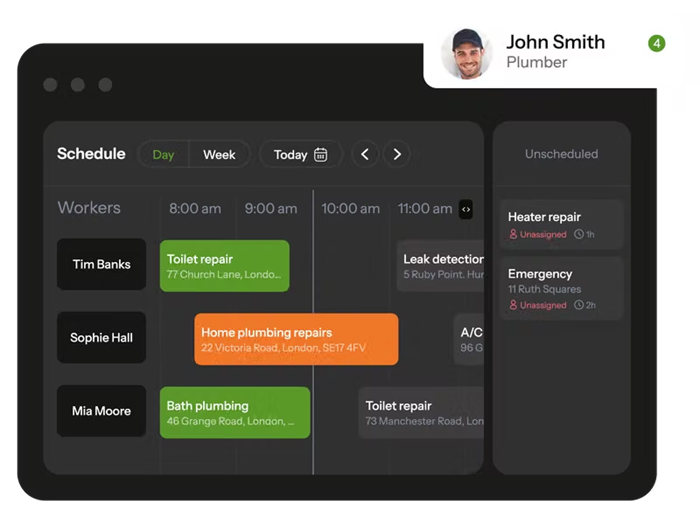
One of the system’s key functions is fieldwork planning. Managers and dispatchers can organize employee schedules, assign requests, and track plan changes. This helps streamline the workflow, assign workers promptly, and prioritize tasks. As circumstances change, the schedule can be adjusted to reduce the likelihood of conflicts between orders.
Another area of focus is dispatching mobile teams. When specialists service multiple sites throughout the day, it’s important to understand what tasks are in progress and who is responsible for completing them. Planado allows you to centralize request management and gain a more comprehensive view of the team’s workload. This simplifies collaboration between office staff and field specialists.
What tasks does the system solve?
When using different applications for scheduling, communication, and request tracking, information often becomes scattered across multiple sources. This forces employees to spend time clarifying details, and makes it difficult for managers to monitor the overall progress of work. Centralizing processes in a single system helps reduce uncoordinated actions and makes information more accessible to team members.
Planado is therefore a software solution for managing mobile teams and field service. Unifying planning, ticket distribution, progress monitoring, and reporting helps make workflows more organized and transparent. For companies looking to reduce administrative burdens and improve service quality, such tools can be an essential part of their digital infrastructure.