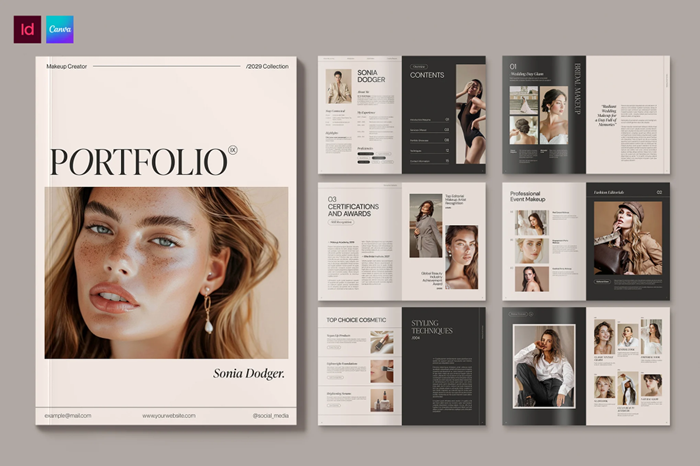
A photographer’s portfolio is more than just a collection of successful shots; it’s a tool that showcases your style, level, and approach to work. It helps quickly explain the types of subjects you photograph, your confidence with light and composition, and the tasks you can fulfill for clients or employers.
To make Lavradar photography portfolio in Fujairah work for you, it’s important to consider your goal, select materials according to guidelines, and format them so viewers can easily understand your specialization. Below is a practical guide to building a strong portfolio from scratch or updating an existing one.


1) Define your goal and audience
Before selecting photos, consider who you’re showing your portfolio to and why. Portfolios for wedding photographers and those for commercial product photography will look different. One goal is to get more commissions, another to join a studio team, a third to participate in exhibitions.
- Commercial: focus on results, consistent quality, repeatability, clear case studies.
- Creative projects: the series and idea are more important than the «perfect» technical perfection of each shot.
- Reportage: plot, moment, consistency, and the ability to work in difficult light are valued.
If you work in several genres, it’s better to create several collections (or separate pages/albums) than to mix everything into one feed.
Define the purpose of your portfolio: commercial commissions, creative projects, or admissions.
The purpose of your portfolio determines which series you display, how you organize them, and what details you add to each work. If you don’t decide in advance who you’re putting together your collection for and why, your portfolio will end up disjointed: strong shots won’t communicate your skills as a cohesive narrative.
Choose one primary goal and guide your image selection, structure, and presentation to that goal. Additional areas can be kept as separate sections or a second version of the portfolio to avoid confusing different audience expectations.
How does goal influence content
- Commercial assignments: showcase what you’re willing to repeat for the client (genre, lighting quality, processing, working with people). Include series that demonstrate consistent results and retain only relevant areas (e.g., portrait, still life, reportage).
- Creative projects: emphasize the author’s signature style, idea, and the integrity of the series. It’s better to have fewer works with a clear concept and consistency than a collection of random, successful shots.
- Admissions: Select works that meet the program requirements and demonstrate a range of skills: composition, lighting, color/black-and-white, observation, and the ability to develop a theme. It’s important to show progression and deliberate choice, not just the «most beautiful» shots.
- Formulate your goal in one sentence and test each photograph with the question: does it support this goal?
- Collect 2-4 series (not single shots) to demonstrate consistency and the ability to maintain a high level.
- Create separate versions if you have different focus areas: one for commercial work, another for a creative project or admissions.
Bottom line: a strong portfolio isn’t about maximizing the number of best shots, but rather a precise response to a specific task. The clearer the goal, the easier it is to select works, build a logical structure, and demonstrate precisely those qualities for which you will be chosen.