Most people focus on temperature and lighting when thinking about comfort at home, but air quality often stays in the background. Meanwhile, it quietly affects how we feel, sleep, and concentrate every day.
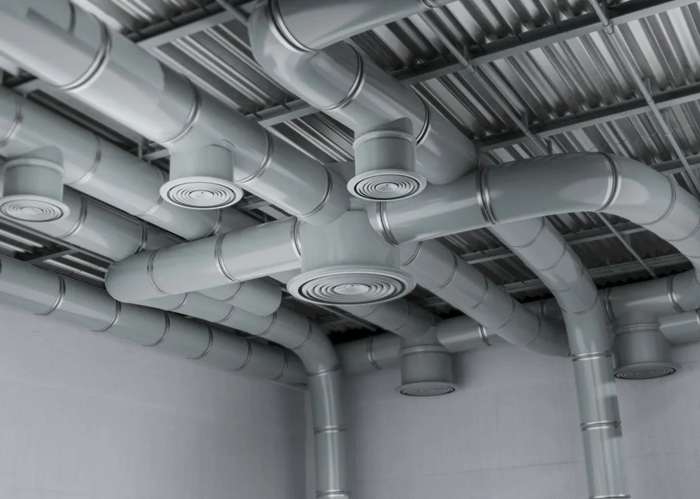
Dust, moisture, and everyday activities all influence the air inside living spaces. That’s where an indoor ventilation system plays a quiet but noticeable role, helping fresh air move through the home instead of staying trapped.


How indoor air changes throughout the day
Indoor air is never static. Cooking, showering, cleaning, and even breathing slowly change its composition. Without proper air movement, moisture builds up, smells linger, and particles remain suspended longer than expected. Over time, this can make rooms feel stuffy or heavy, even if everything looks clean.
Natural airflow from open windows helps, but it isn’t always reliable. Weather, noise, and outdoor pollution can limit how often windows stay open. A well-designed indoor ventilation system helps regulate this exchange more consistently, allowing stale air to leave while fresh air takes its place.
The connection between ventilation and everyday comfort
Comfort isn’t just about warmth or cool air. It also includes how breathable a room feels and how evenly conditions are maintained. Poor air circulation often leads to uneven temperatures and noticeable humidity differences between rooms. This can make one space feel damp while another feels overly dry.
When air moves properly, humidity stays more balanced. Furniture, walls, and floors benefit from this stability as well. Over time, consistent airflow supports a calmer indoor environment, reducing the sense of heaviness that sometimes appears in tightly sealed homes. Many people notice this difference after paying attention to how their indoor ventilation system affects daily comfort.
Long-term effects on health and living spaces
Air that doesn’t circulate well can contribute to hidden issues. Moisture that lingers encourages mold growth, especially in bathrooms, kitchens, and basements. Even when mold isn’t visible, excess humidity can affect materials and surfaces throughout the home.
Fresh air exchange helps limit these risks. It reduces condensation on windows and keeps indoor surfaces drier. Over the years, this can help preserve the condition of walls, ceilings, and finishes, while also supporting a healthier breathing environment.
Why balance matters more than airflow alone
Too much airflow can be just as uncomfortable as too little. Drafts, dry air, and temperature swings often result from poorly balanced circulation. The goal isn’t constant movement, but steady and controlled exchange.
A thoughtful approach focuses on balance rather than force. When airflow matches the size and layout of the space, rooms feel calmer and more natural. This balance is what allows an indoor ventilation system to work quietly in the background without drawing attention to itself.
Final thoughts
Fresh air shapes daily comfort in ways that aren’t always obvious at first. From moisture control to overall air quality, steady circulation supports both the home and the people living in it. By understanding how an indoor ventilation system influences everyday life, it becomes easier to see why consistent air movement matters just as much as heating or cooling. In the long run, clean, balanced air helps create a space that simply feels better to be in.